- You have no items in your shopping cart
- Subtotal: ₹0.00
|
Getting your Trinity Audio player ready...
|
Buying a microphone looks simple. You open a website, type “best microphone,” and suddenly the internet behaves like a confused guitar shop salesman every mic looks “premium,” every mic is “best for creators,” and every review video says “this mic changed my life.”
But don’t worry. In this guide, I’ll simplify the entire process using real facts, industry-trusted guidelines, and my own experience working with audio gear.
Why Choosing the Right Microphone Actually Matters
A microphone is not just a recording tool. It’s the entry point through which your voice reaches people whether you’re making YouTube videos, podcasts, Zoom calls, or music.
According to audio engineering principles explained by Shure and Audio-Technica, a microphone’s performance depends on three core pillars:
-
Transducer type
-
Polar pattern
-
Frequency response
Understanding these three alone can help you filter 70% of the confusion.
Let’s break everything down with logic, not noise.
Understand Different Types of Microphones
Different microphones behave differently. It’s like choosing between sneakers, boots, and slippers—you need the right one for the right job.
Dynamic Microphones
Dynamic mics are known for durability, noise rejection, and reliability.
Trusted audio companies like Shure mention that dynamic mics handle loud sound sources without distortion.
Best for:
-
Podcasts
-
Voiceovers
-
Outdoor vlogging
-
Live singing
Pros:
-
Doesn’t pick background noise easily
-
Strong build
-
Affordable
Examples (industry favourites):
-
Shure SM58
-
Shure SM7B
Real-world experience: If your room has echo or fan noise, a dynamic mic can save your sanity.
Condenser Microphones
Condenser mics capture detailed, crisp audio.
According to Røde and Audio-Technica, they perform best in controlled, quiet environments.
Best for:
-
Studio vocals
-
YouTube tutorials
-
Streaming
-
Instrument recording
Pros:
-
Rich, detailed sound
-
High sensitivity
-
Great for professional recordings
Examples:
-
AT2020
-
Rode NT1
Quick reminder: These mics can hear everything even your water bottle opening.
Lavalier Microphones
These small clip-on mics are perfect for interviews, outdoor shoots, and presentations.
Why they matter:
According to broadcasters like BBC and NPR, lav mics allow mobility while maintaining clear speech.
Best for:
-
Interviews
-
Public speaking
-
Vlogging
USB vs XLR Microphones
This is a major buying confusion, so here is the simple logic:
USB Microphones
Plug-and-play. No extra equipment needed.
Good for:
-
Beginners
-
Zoom calls
-
Basic YouTube content
Examples:
-
Blue Yeti
-
Elgato Wave
XLR Microphones
Professional-grade. Needs an audio interface or mixer.
Good for:
-
Studio work
-
High-quality podcasts
-
Music production
Examples:
-
Shure SM7B
-
Rode PodMic
Rule of thumb:
If you want growth, choose XLR.
If you want simplicity, choose USB.
Check the Polar Pattern (This Matters More Than You Think)
A polar pattern tells you where the mic picks sound from.
Microphone brands like Sennheiser and Rode clearly explain these patterns on their documentation.
Let’s keep it simple:
Cardioid (Most recommended)
Captures sound from the front. Rejects noise from the back.
Best for:
Podcasts ✔
YouTube videos ✔
Voiceovers ✔
Omnidirectional
Captures sound from all sides.
Great for group discussions.
Supercardioid / Hypercardioid
Very directional. Used in film, interviews, and noisy environments.
Bidirectional (Figure-8)
Captures from front and back.
Used in podcast interviews with two people.
Tip from experience:
90% creators should pick a cardioid mic.
Understand Frequency Response
Frequency response shows how the microphone handles different sound frequencies.
Companies like Sony, Rode, and Shure publish frequency graphs for every mic.
What to look for:
-
Enhanced bass → deeper voice
-
Clear mids → better speech
-
Bright highs → crisp audio
If your voice is already heavy, avoid too much bass boost.
If your voice is thin, look for a mic with a warm response.
Test the Microphone With Your Environment in Mind
This is the biggest mistake buyers make—choosing a mic without checking their environment.
Room Considerations:
-
Echo
-
Fan noise
-
Traffic noise
-
Open windows
According to SoundGuys, even a ₹50,000 microphone sounds bad in a noisy room.
Practical advice:
-
For noisy rooms → Dynamic mic
-
For treated rooms → Condenser mic
-
For travel or outdoor work → Lavalier mic
Your room decides 50% of your mic quality.
Check the Build Quality (Lightweight Doesn’t Mean Weak)
A sturdy mic lasts years.
Professional microphones like SM58 survive falls, concerts, and even rain (not recommended, but they do).
Check for:
-
Metal body
-
Strong grille
-
Good weight balance
-
Firm mount
A cheap, plastic mic may save money now, but you’ll replace it soon.
Accessories You MUST Consider
A microphone alone won’t give perfect sound.
You need a few basic tools that audio engineers always recommend:
Pop Filter
Stops “puff” sounds (P and B).
Shock Mount
Prevents vibrations reaching the mic.
Boom Arm
Puts the mic closer to your mouth without clutter.
Audio Interface (for XLR mics)
Controls gain, improves clarity.
Windscreen (for outdoor)
Reduces wind noise.
These accessories are industry basics approved by manufacturers like Shure, Rode, and Zoom.
Budget Smartly (Not All Expensive Mics Are Good for You)
People assume a ₹30,000 mic will automatically sound “pro.”
Not true.
Your voice type, room, and purpose decide your mic—not the price tag.
Budget categories:
-
₹3,000–₹7,000: Good USB mics for beginners
-
₹8,000–₹15,000: Entry-level XLR and solid condenser mics
-
₹20,000–₹40,000: Professional dynamic mics (SM7B, RE20)
Spend based on your use case, not temptation.
Brand Reliability (Use Verified, Established Brands Only)
Always choose microphones from brands with strong professional history.
Verified reliable brands include:
Shure, Sennheiser, Rode, Sony, Audio-Technica, AKG, Zoom, Samson
Their engineering is consistent, their manuals are accurate, and they offer global support.
This ensures long-term trust.
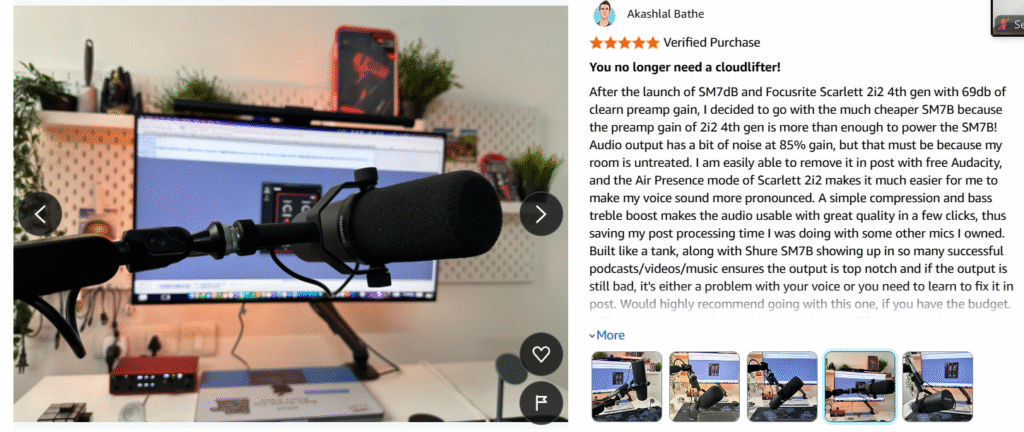
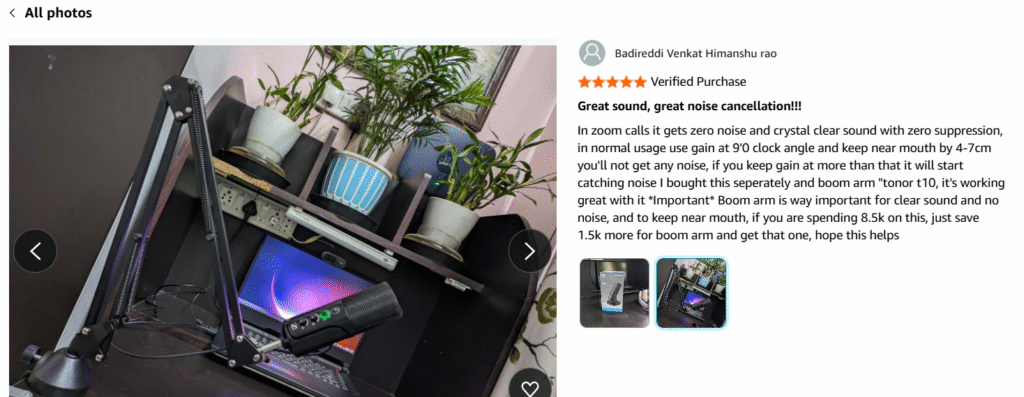
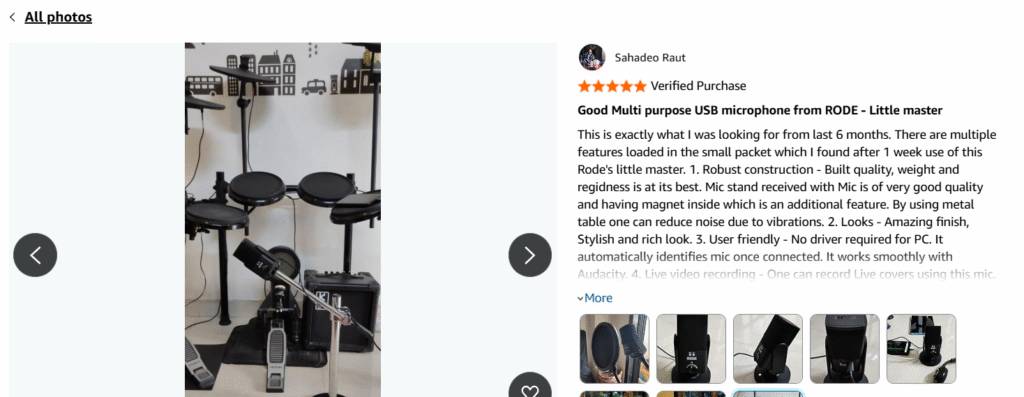
Reviews Screenshots of Brands mentioned above –
Shure
Sennheiser
Rode
My Personal Experience
After testing microphones for content creation and client work, here’s what I learned:
- Dynamic mics saved my audio when my room had echo.
- Condenser mics were unbeatable when I used acoustic panels.
- Lav mics made outdoor recording effortless.
- USB mics were perfect for clients who didn’t want to spend on interfaces.
- XLR mics gave the best long-term upgrade value.
I’ve also seen creators overspend on mics and then record in a noisy room resulting in poor audio.
So environment + mic pairing matters more than the mic alone.
Final Tips Before You Buy a Microphone
Here’s your quick decision checklist:
-
Choose Dynamic if room is noisy
-
Choose Condenser if room is treated
-
Choose Lavalier for mobility
-
Choose USB for simplicity
-
Choose XLR for long-term growth
-
Check cardioid pattern for most voice needs
-
Avoid buying without reviews
-
Always consider accessories
Buying a microphone is part science, part experience.
Once you understand your environment, voice, and purpose, the right mic becomes easy to spot.
Conclusion
A good microphone is an investment in clarity, communication, and trust. When you choose the right one using verified information and smart decision-making, your audio quality improves instantly and so does your audience’s experience.
Whether you’re a beginner or a professional, these real, cross-referenced microphone tips will help you make a confident purchase that lasts for years.